By: Angeli Fetizanan — 10th Grade
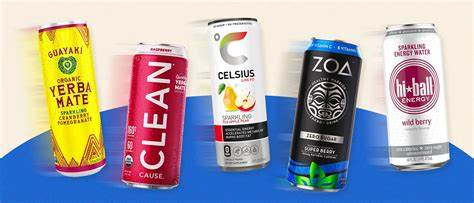
Recently, more and more people are exposed to trends, consumerism, and marketing online, which increases the frequency of people purchasing energy drinks with effective marketing. In fact, as many as 39% of adolescents in Australia are affected by severe health conditions such as obesity (Buchanan, 2017). However, many people do not stop to consider the physiological consequences they bring into our lives. Widespread consumption of energy drinks among young adults and adolescents has raised more health concerns due to high concentrations of caffeine, sugar, and sodium. Ingredients similar to those are often linked to obesity and heart disease. Numerous scientific studies have demonstrated that excessive caffeine intake can interfere with the cardiovascular system by resulting in increased heart rate, elevated blood pressure, and a higher risk for future type 2 diabetes (Brill, 2015). High sugar levels contribute to developing resistance against insulin, and sodium can also contribute to headaches and irritation when consumed in large doses. Adolescents are particularly susceptible to these substances, especially for their developing brain and body. Given the detrimental cumulative impact on both short and long term health, without investigating the root of the issue, the world may go into a health crisis with increasing amounts of diabetes, cancer, and heart problems.
Drink Ingredients
Oftentimes, true abundances of caffeine are hidden. Research done and analyzed by Limin Buchanan (2017), who had multiple research articles covering public health, found that common brands such as Red Bull and Monster contain high amounts of caffeinated stimulants. These chemicals have been linked to weight gain and a range of other health diseases (Buchanan, 2017). The discoveries introduce the idea that the percentage of obesity and health problems can be limited by lowering the amount of abundance of harmful ingredients. The information provided is correct, yet it’s important to note the societal habit changes within the past few years, which may skew the data slightly. Her claim aligns with a lawsuit by 2022, involving a popular energy drink brand founded by Logan Paul and KSI Prime and the chemicals put in the drinks. A documentation done by Johnathan Limehouse describes these chemicals as PFAs, better known as forever chemicals. The author emphasizes that true abundance of caffeine is often hidden or underestimated in advertisements, reporting that the Prime drinks had around 15-25 milligrams more caffeine than the marketed 200 milligrams (Limehouse, 2024). The health consequences of high caffeine dosage include rapid or irregular heartbeats, headaches, and potential effects on mental health (Limehouse, 2024). Justine McDaniel, a national reporter for the Washington Post, reported on an example of high caffeine dosages include Panera’s lawsuit over their Charged Lemonade drink, which reportedly had up to four times the amount of caffeine found in a coffee (McDaniel, 2024). One young athlete, Lauren Skerritt, experienced heart palpitations that resulted in lasting health problems she would need to take medicine for the majority of her life. The largest size of the Charged Lemonade had up to 124 grams of sugar (McDaniel, 2024). Jennifer Pomeranz, contributor to multiple health articles, with over 400 citation credits found that in addition to caffeine and sugar, many energy drinks also contain synthetic additives such as guarana, taurine, and artificial sweeteners (Pomeranz, 2013). However, the drinks provide an extra boost of energy when consumed in moderation especially before a labor intensive activity, which can act as performance enhancers. The aforementioned compounds react with caffeine in order to intensify the stimulating effects, which could potentially exhaust the central nervous system. Situations like these could have been prevented had ingredients as well as percentages been labeled clearly and properly.
Health Consequences
Energy drinks are a classic morning energizer for many however, due to elevated amounts of harmful ingredients, energy drinks are adversely affecting the health of many adolescents. By analyzing a variety of data, ranging from individual percentages of ingredients in different brands to global interviews, Pomeranz (2013) discovered that the high abundances of caffeine and sodium in drinks are becoming a major factor in global obesity and health decline. Her analysis suggests that restricting children from purchasing energy drinks, and clearly limiting the amounts of caffeine can help deter newer generations from unhealthy habits. Her claims align with an experimental study reported by Dennis Thompson, who used two groups of people drinking various amounts of caffeine and studying the side effects they experienced. The researcher monitored the group that drank drinks with 108 grams of sugar and 320 milligrams of caffeine, and found that the subjects experienced a 10 millisecond difference in the heart’s QT interval. By drug standards, any substance that affects QT intervals by 6 milliseconds necessitates a warning label, because elevated intervals can lead to an increase in blood pressure (Thompson, 2017). Similarly, Pomeranz discovered that energy drinks have 123 milligrams of sodium per eight ounces in them, more than three times the amount found in soda. Since sugary beverages make up 44% of the drink diets of 12-17 year olds, diets high in sodium can result in high blood pressure and increased risk for heart disease and stroke (Pomeranz 2013). Likewise, research by Bianca Salas (2015) further supports Pomeranz’s claim. Salas found that caffeine consumption has short-term and long-term effects on the central nervous system. Sleep, anxiety, and behavior can all be negatively affected by caffeine doses (Salas, 2015). Failing to protect children early on from intense energy drinks by not properly researching ingredients leads to unhealthy lifestyles and habits.
Solutions
We can prevent obesity from becoming a major problem, and direct kids towards healthier lifestyles. Michael Bratsis (2013), a researcher who authored 51 scientific papers, proposes a solution involving education. Bratsis encourages teachers to implement assignments and reports surrounding the discussion of energy drinks, and supply drinking water in vending machines. By incorporating nutrition education into the school curriculum, students can better understand health risks linked to high caffeine diets (Bratsis, 2013). Early intervention allows for teenagers to be informed about the habits they will adopt. Bratsis’ ideas could be applied to schools relatively easily, however it must also be considered that not every school can comfortably afford to make the switch. Similarly, Jamie Chriqui suggests implementing a tax on energy drinks to solve many preventable causes of death. Teenagers between ages 12-19 have spent around $159 billion on food, candy, and soft drinks. By increasing the current price of sugar-based goods by 1%, the reduction effectively decreases the probability of a healthy individual from becoming obese by 3.07% (Chriqui, 2008). David Brill (2015), a practicing doctor in London, found that the creation of the British Soft Drinks Association could also help limit the sugar level of energy drinks. Since their creation in 1987, they have helped manufacturers reduce sugar content by more than 8% since 2012 (Brill, 2015). Additionally, the BMA, or British Medical Association is urging governments to implement a 20% tax on sugar-based drinks, and use the money to encourage healthier lifestyles by funding production of fresh fruit and vegetables (Brill, 2015). The proposed taxes not only discourage unhealthy drinking habits but also promote nutritional programs that make healthier food more available and accessible. Unfortunately, the increased price on energy drinks also makes them less attractive to consumers, and companies may not be able to profit as much as they once did, thus resulting in less money going into health food funding.
Conclusion
Despite the growing popularity of energy drinks, excessive consumption has resulted in major health consequences due to the effects of hidden ingredients like caffeine, sugar, and chemical additives. Although immediate reduction of caffeine is important, we must consider the percentage of people who are obese, not due to their diet but rather due to a separate medical condition that is unpreventable. Unfortunately, it’s hard to pinpoint the exact perfect solution, however nutrition education should be implemented in schools to increase awareness among youth. In addition, proposed sugar taxes should be brought up to reduce consumption. Though instant change will not be seen, eventually with consistency, the health of people all around the world will improve.
Word Count: 1,334
References
Bratsis, M. E. (2013). Health Wise: pushing caffeine to teens. The Science Teacher, 80(8), 70–70. http://www.jstor.org/stable/43557851
Brill, D. (2015). Do sugary drinks cause type 2 diabetes? British Medical Journal, 351. https://www.jstor.org/stable/26973565
Buchanan, L., Kelly, B., Yeatman, H., et al. (2017). Exposure to digital marketing enhances young adults’ interest in energy drinks: an exploratory investigation. PLoS ONE, 12(2), 1–16. https://doi.org/10.1371/journal.pone.0171226
Chriqui, J. F., Eidson, S. S., Bates, H., Kowalczyk, S., & Chaloupka, F. J. (2008). State sales tax rates for soft drinks and snacks sold through grocery stores and vending machines. Journal of Public Health Policy, 29(2), 226–249. http://www.jstor.org/stable/40207182
Limehouse, J. (2024, April 23). Prime energy, sports drinks contain PFAS and excessive caffeine, class action suits say. USA TODAY. https://www.usatoday.com/story/money/2024/04/23/prime-drink-lawsuit-update/73424197007/
McDaniel, J. (2024, January 18) 28-year-old sues Panera, alleging charged lemonade gave her heart problems. Washington Post. https://link.gale.com/apps/doc/A779742005/SUIC?u=j101914014&sid=bookmark-SUIC&xid=e316aa19
Nuss, T., Morley, B., Scully, M., Wakefield, M., et al. (2021). Energy drink consumption among Australian adolescents associated with a cluster of unhealthy dietary behaviours and short sleep duration. Nutrition Journal, 20(1), 1–10. https://doi.org/10.1186/s12937-021-00719-z
Pomeranz, J. L., Munsell, C. R., Harris, J. L. (2013). Energy drinks: an emerging public health hazard for youth. Journal of Public Health Policy, 34(2), 254–271. http://www.jstor.org/stable/43287961
Salas, B., and Simões, B. G. (2015). Provisional findings by efsa on the safety of caffeine and the possible implications on caffeine health claims and energy drinks. European Journal of Risk Regulation, 6(3), 431–434. http://www.jstor.org/stable/24769571
Thompson, D. (2017). Energy drinks may give the heart an unhealthy jolt; popular beverages also affect blood pressure for hours, small trial shows. Consumer Health News. https://link.gale.com/apps/doc/A490680190/SUIC?u=j101914014&sid=bookmark-SUIC&xid=098a9724