by Katharine Qiu, Grade 8
The first thing you notice is the silence, though it isn’t truly silent at all. It’s the absence of the man-made hum—the drone of traffic, the hiss of hydraulics on a bus, the insistent chime of a phone. In its place is a symphony of small, specific sounds: the percussive tap of a woodpecker in the distant treeline, the rustle of wind moving through a field of tall, dry grass like a hand smoothing fabric, the low, contented murmur of honeybees ransacking a lavender bush. This is the sonic wallpaper of the countryside, and it recalibrates something fundamental within you, slowing the internal metronome that the city had wound so tight.
Life here is measured not by the clock, but by the light. Mornings begin not with an alarm, but with the soft grey of dawn seeping around the edges of the curtains, a gradual illumination that coaxes you awake rather than jolting you into consciousness. The day’s structure is dictated by the sun’s arc and the needs of the small patch of land that comes with the old stone cottage. There is the vegetable patch, an unruly but generous rectangle of earth that demands attention. It’s not a chore, but a kind of meditation. The feel of cool, damp soil crumbling between your fingers, the tug of a resistant weed, the quiet thrill of discovering a potato hidden beneath the surface like a buried treasure—these small acts tether you to the present moment more effectively than any mindfulness digital entertainment.
The garden dictates the menu, a radical shift from the supermarket’s promise of eternal, seasonless abundance. In summer, meals are a race against ripeness: mountains of courgettes transformed into fritters and chutneys, basil harvested by the armload for pesto that stains the pasta a vibrant green, and salads composed of leaves so fresh they still hold the morning dew. Autumn brings the earthy sweetness of roasted root vegetables and the tang of foraged blackberries bubbling into jam, filling the kitchen with a sweet, steam-filled haze. It is a life lived in tune with a rhythm far older than oneself, a cycle of planting, tending, harvesting, and resting that feels inherently, deeply right.
Then there is the community, which is not the anonymous proximity of apartment living, but a web of acknowledged interdependence. It’s in the wave of a hand from a farmer on a tractor, the knowing nod of an old man walking his terrier at the same time every day. It’s the conversation at the village shop, which is as much a social hub as a place to buy milk, where news is exchanged, and advice on fixing a leaking roof is freely given. You become a part of a story that was unfolding long before you arrived, a story written in stone walls and field boundaries and the faces of the people who have worked this land for generations.
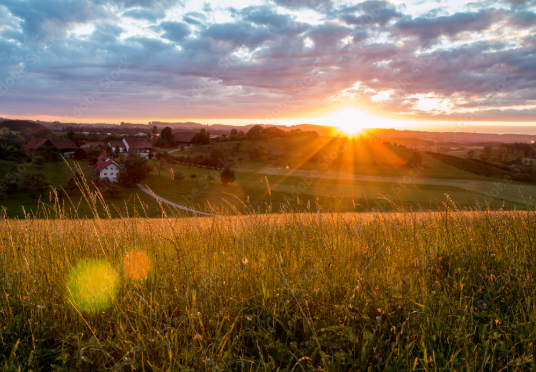
Evenings draw in with a quiet dignity. The last light catches the tops of the hills, gilding them for a moment before the shadows creep up from the valleys. The blackout of the countryside is profound, a darkness so complete that the stars emerge not as a sprinkling, but as a thick, glittering river of light poured across the sky. It’s in this velvet darkness, with the chorus of night insects beginning its shift, that you understand the true luxury of this life. It’s not in the renovation or the rustic aesthetic, but in the spaciousness. A spaciousness that allows for long, rambling walks with no destination, for reading a book in an afternoon without a flicker of guilt, for simply sitting and watching the light fade, unhurried and utterly content. The harvest of the countryside is not just the food from the garden, but time itself, returned to you in full, flavourful measure.
