by Katharine Qiu, Grade 8
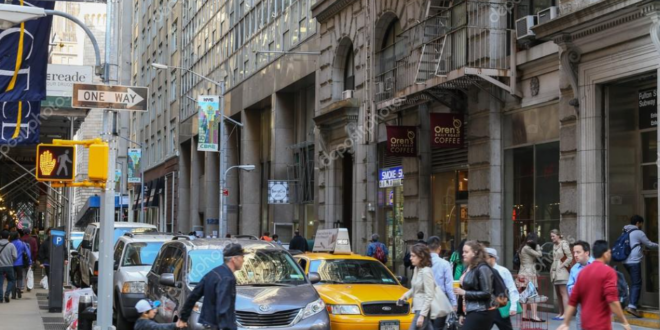
Modern lives aren’t just growing busier, but are gradually becoming more inundated with urgencies. We are overwhelmed with lateness and appointments. People feeling impatient for a 90-second wait in a queue, employees having lunch eaten over their keyboards, students racing against their assignments’ deadline… you see it everywhere.
We are in a hurry for everything. For success, measured in quarterly goals and LinkedIn milestones. For connection, condensed into Instagram comments and double-tap hearts. For entertainment, consumed in bite-sized clips lest our attention wane. Even our leisure is often optimised—tracked by smartwatches, shared on social media, turned into a performance. True rest has become the ultimate luxury, and for many, a source of guilt. To be still is to be unproductive, and in a culture that conflates busyness with virtue, unproductivity is regarded as a silent sin.
This isn’t just about having a full calendar. It’s a shift in our relationship with time. Technology, the very tool promising efficiency, has dissolved the boundaries that once protected our peace. The office is in our pockets, the global news cycle is a constant drip-feed of anxiety, and the pressure to be “on” is relentless. The quiet, undisturbed moments, like staring out a window, losing track of time in a book, or simply sipping a cup of tea, feel increasingly alien, even indulgent.
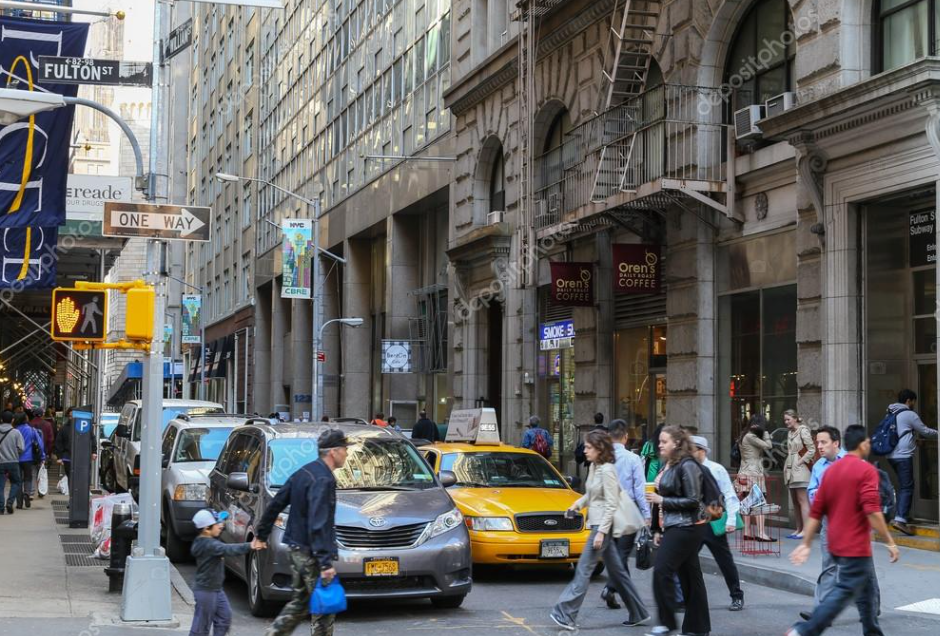
But what is this hurry for? Often, it’s a race to a finish line that keeps moving. We hustle for a future state of relaxation that never comes, because once we arrive, we’ve forgotten how to be still.
Slowing down is not a setback. It is an act of reclamation. It is in those unscripted pauses that we actually process our experiences, connect the dots of our lives, and hear our own thoughts. Creativity, empathy, and resilience are not born in frantic hustle; they are nurtured in fallow periods of rest. Allow yourself to breathe, for only then can you truly reach your own success.
Standing Still
Modern lives aren’t just growing busier, but are gradually becoming more inundated with urgencies. We are overwhelmed with lateness and appointments. People feeling impatient for a 90-second wait in a queue, employees having lunch eaten over their keyboards, students racing against their assignments’ deadline… you see it everywhere.
We are in a hurry for everything. For success, measured in quarterly goals and LinkedIn milestones. For connection, condensed into Instagram comments and double-tap hearts. For entertainment, consumed in bite-sized clips lest our attention wane. Even our leisure is often optimised—tracked by smartwatches, shared on social media, turned into a performance. True rest has become the ultimate luxury, and for many, a source of guilt. To be still is to be unproductive, and in a culture that conflates busyness with virtue, unproductivity is regarded as a silent sin.
This isn’t just about having a full calendar. It’s a shift in our relationship with time. Technology, the very tool promising efficiency, has dissolved the boundaries that once protected our peace. The office is in our pockets, the global news cycle is a constant drip-feed of anxiety, and the pressure to be “on” is relentless. The quiet, undisturbed moments, like staring out a window, losing track of time in a book, or simply sipping a cup of tea, feel increasingly alien, even indulgent.
But what is this hurry for? Often, it’s a race to a finish line that keeps moving. We hustle for a future state of relaxation that never comes, because once we arrive, we’ve forgotten how to be still.
Slowing down is not a setback. It is an act of reclamation. It is in those unscripted pauses that we actually process our experiences, connect the dots of our lives, and hear our own thoughts. Creativity, empathy, and resilience are not born in frantic hustle; they are nurtured in fallow periods of rest. Allow yourself to breathe, for only then can you truly reach your own success.