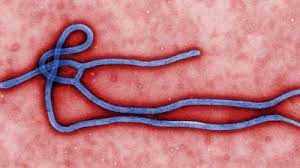
A dangerous Ebola outbreak is spreading across central Africa, prompting the World Health Organization to declare it a public health emergency of international concern — the highest level of global health alert.
The outbreak is caused by the Bundibugyo virus, one of four types of orthoebolaviruses known to cause Ebola disease in humans. It was first identified in early May when a hospital in Bunia Health Zone in northeastern DRC detected a cluster of severe illnesses among healthcare workers.
Laboratory analysis confirmed Bundibugyo virus infection in 8 of 13 samples collected from suspected cases in the Mongbwalu and Rwampara health zones in Ituri Province. Patients presented with fever, generalized body pain, weakness, vomiting, and in some cases bleeding, with several deteriorating rapidly.
As of May 20, 2026, the outbreak has spread to 11 health zones across Ituri Province and into Nord-Kivu Province. More than 300 suspected cases and 88 suspected deaths have been reported so far.
The crisis has already crossed borders. Two laboratory-confirmed cases with no apparent link to each other were reported in Kampala, Uganda, within 24 hours of each other, among individuals who had traveled from the DRC.
The outbreak is occurring in areas affected by insecurity, population displacement, mining-related movement, and frequent cross-border travel — all factors that significantly raise the risk of further transmission.
Africa CDC has expressed concern about the potential for the outbreak to spread further, citing intense population movement, ongoing violence in affected areas, and the challenges of mounting an effective containment response.
The CDC is working through its country offices and partners in DRC and Uganda to provide technical assistance with disease tracking, contact tracing, laboratory testing, virus sequencing, and border health screening. International health agencies are racing to contain the outbreak before it spreads beyond the region.