By: Elle Shi, Grade 7
From Cambridge Dictionary:
Niche (noun, adjective)
Definition – interesting to, aimed at, or affecting only a small number of people
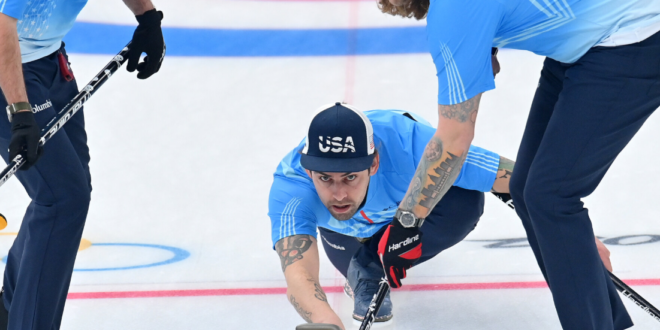
In every school and community, certain sports dominate the spotlight. Stadium lights, both physical and hypothetical, shine on football fields, and basketball games draw out student gossip. Highlight clips of popular sports quickly spread across social media. At the same time, other sports live quietly in smaller gyms, clubs, or short early morning practices without much attention. These lesser-known sports are often labeled “niche.”
However, what actually makes a sport unknown? The answer has less to do with talent or the difficulty of the sport and more to do with visibility, popularity, and culture. A sport becomes hidden primarily because of its exposure to the world, mainly through social media. Leagues like the NFL and the NBA dominate television and online content. Young athletes grow up watching these games, dreaming of playing them on those stages, and when a sport appears constantly in the media, it feels familiar and important to its audience. In contrast to this, many other sports that don’t receive attention are only mentioned when they are forced to watch global events like the Olympic Games. Limited audience visibility leads to limited understanding, and unfamiliarity results in the “niche” label.
Access plays a major role in a sport’s popularity. Some sports require minimal equipment and can be played almost anywhere, like basketball and football, while others depend on specialized spaces, coaching, or gear. If schools or communities don’t have the resources to get equipment for a particular sport, naturally, fewer of those schools will provide coaching for that sport. That smaller chance of participation can make a sport seem less popular, especially if it demands dedication, conditioning, and skill. In addition, niche sports are often stripped of opportunities, including free check-ins at airports, contrasting the “big sports” accommodations.
Furthermore, culture shapes which sports are “on demand.” In some countries, soccer is part of everyday life; in others, football or cricket. What feels popular in one region may be considered niche somewhere else. This shows that this label is not just a measure of importance but also a reflection of tradition and collective attention. Popularity is like genes, often inherited, passed down through generations of fans and players, but not always.
Ultimately, calling a sport niche says more about public awareness than about the contents of the sport itself. Every sport, whether played in front of thousands or practiced in a quiet club, demands discipline, resilience, and teamwork. Athletes in all sports train and sacrifice time in pursuit of improvement. The size of the audience does not determine the value of the effort in the sport. In the end, the idea of a “niche” sport reminds us that popularity is temporary and especially plays a big role in social media, but commitment is permanent. No matter the sport, what truly defines it is the dedication of the athletes who show up and compete. After all, that’s what every sport shares.
Work Cited:
Valentin, Julian. “Find Your Niche: How Carving out Your Corner Can Lead to
Endorsement Opportunities.” Opendorse, 4 Dec. 2020, biz.opendorse.com/blog/niche-endorsement-opportunities/. Accessed 28 Feb. 2026.