By: Ben Yi, Grade 10
Tesla’s Robotaxis, announced mid-2025, initiated its first services in Texas with active deployment in Austin, Dallas, and Houston as of April 2026. Tesla’s robotaxi service is an on-demand ride-hailing system in which riders can book trips through an app that uses Tesla’s Model Y cars and the company’s Full Self-Driving (FSD) capabilities to navigate.
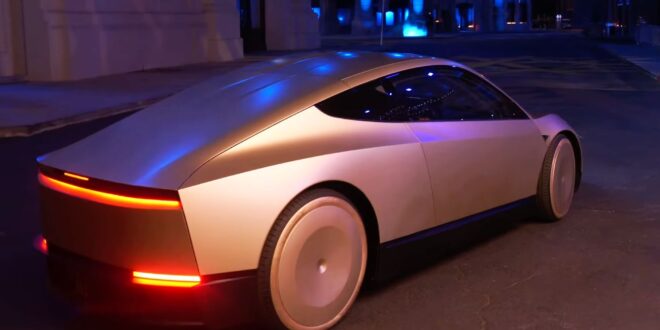
Tesla has also begun manufacturing its Cybercab, which is envisioned as a core part of the robotaxi network. It will operate as part of a mixed fleet of vehicles with and without human safety monitors, and is a purpose-built two-passenger vehicle with no steering wheel or pedals.
Elon Musk has also announced that Tesla owners will be able to add or remove their cars from Tesla’s inventory of available robotaxis when they aren’t using them, essentially turning their personal vehicles into taxis. Under this model, passengers can request rides through a centralized Tesla-managed platform where available vehicles are dispatched automatically. Tesla is reportedly taking a 25% cut of earnings, leaving the remainder for the vehicle owner. This business model greatly incentivizes Tesla owners to add their cars to the robotaxi network while simultaneously allowing Tesla to generate revenue with relatively low operational overhead. While legal and safety hurdles still remain, if executed according to plan, it stands to increase Tesla’s revenue stream while offering a meaningful financial benefit to participating owners.
What makes this model particularly compelling from a business perspective is the way it turns a personal car from a typical depreciating asset, into an income-generating one. For Tesla owners, the appeal is straightforward: their vehicle earns money during the hours it would otherwise sit idle in a driveway or parking lot. For Tesla, the benefit is even greater. Rather than building and maintaining an entirely company-owned fleet, Tesla can scale its network rapidly using cars that customers have already purchased, drastically reducing the capital investment required to grow the service. Every private Tesla added to the network is, in effect, infrastructure that Tesla doesn’t have to pay for.
There is also a powerful marketing dimension to this model. A privately owned Tesla operating as a robotaxi is also a moving advertisement. The passengers will be able to experience the technology firsthand, and onlookers see autonomous Teslas navigating their streets daily which is something no typical ad campaign can do.
Compared to competitors like Waymo, which relies on a fully company-owned and operated fleet, Tesla’s hybrid model is far more scalable. By leveraging cars already in the hands of consumers, Tesla can expand its coverage area and vehicle count at a fraction of the cost, giving it a structural advantage that could prove decisive as the robotaxi market matures.
Photo from WIRED