Every 30 seconds, someone dies from a disease that could’ve likely been prevented with tissue
regeneration. Whether it’s organ failure or a neurological condition, the need for a new
solution is increasing.
For a while, there have been debates surrounding the issue of stem cell research. The main
question: do the medical benefits outweigh the ethical concerns? We believe so.
Stem cell research should continue, in order to keep improving lives by curing life-threatening diseases, and because stem cell research is supported by global ethical guidelines that ensure treatments are developed responsibly.
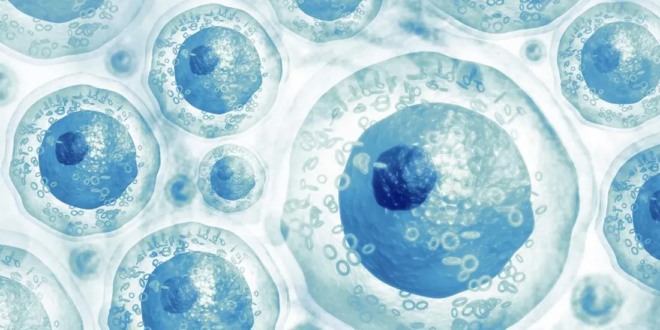
First of all, stem cells can improve people’s lives by curing life-threatening diseases. Researchers from Scientific American discovered that stem cells have the unique ability to turn into any somatic cell of the body, allowing scientists to regenerate or replace damaged tissue (Cumberdale, 2013). The impact of stem cells medically far surpasses the damage done to the cells in the research phase. For example, stem cells have the special ability to become any type of somatic cell in the body. This feature allows scientists to replace damaged tissue, organs, and internal structures of humans, which is essential for developing treatments that can cure increasingly prevalent diseases and improve the overall health of Americans and eventually the rest of the world. Stem cells made it easier for people to live life freely, without the constraints of a collapsed lung or malfunctioning liver. By contrasting the difference stem cells have made on others’ lives, we are able to see the clear benefits that stem cells offer to our society. Diseases that haven’t had treatment for a long time, such as Parkinson’s, can now be treated with stem cells (Lindvall, 2015). The fact that Parkinson’s disease, a very common neurological disease, can now be treated with stem cells emphasizes the real impact that they have on quality of life. As shown before, stem cells can replace damaged tissue, and this could make it possible to not only treat Parkinson’s, but also other disorders and diseases that affect millions of people today and were once considered a death sentence.
Which brings us to the next claim, how stem cell research is supported by guidelines to
protect the morality and ethicality of the study. Stem cell research is supported by global ethical guidelines that protect donors and other patients, allowing treatments to be developed responsibly. In a study from the Chinese Society of Cell Biology, the authors detail the guidelines that must be followed when researching and developing stem cells. These rules include respecting the autonomy of the donors by allowing them to make decisions regarding their participation, a full board review of the ethics of the study, consideration of all risks, and how necessary and important the study is (Peng, Ma, et al. 2024). These rules and regulations demonstrate that while there are concerns of the ethics of the research, they are being addressed through strict rules. Everyone contributing to the study knows their rights, and are allowed to revoke their consent at any time, ensuring that if anything feels unsafe, participants are allowed to speak up. Continuing, all studies have to meet a set of standards to be approved by a board, ensuring that professionals all agree that it is ethical. By ensuring the rights of the participants, researchers can pursue extremely beneficial treatments without compromising the safety of everyone involved. The International Stem Cell Research Forum (ISCF) emphasizes the importance of global oversight and agreed upon international standards, highlighting the need for transparency during assessments, adherence to ethical processes, respect for donors, and carefully thought out analysis to ensure stem cell research can advance properly (ISCF, 2006). These sources collectively explain how stem cell research is heavily regulated and that there are rules implemented at both a national and global level to guarantee protection for patients and donors. Standard principles including informed consent and evaluation of risks work alongside international standards such as honest review, respect, and risk analysis, showing how both domestic and global institutes reinforce guidelines in stem cell research. This
demonstrates how ethical responsibility is prioritized and constantly updated, ensuring stem
cell research develops effective treatments and that they also gain trust and credibility in their
use and research of stem cells.
Although these regulations showcase a commitment to ethical responsibility and proper
advancements for the medical field, some people believe it is still morally unacceptable. Admittedly, critics may argue that stem cell research can be ethically inappropriate to them, as they may feel that it is unnatural and wrong to implement artificial practices regarding embryonic stem cells. However, they fail to consider the medical benefits they can receive with the various harmless practices, as well as the political measures taken to prevent further debate. Scientific American emphasizes the number of advantages stem cells provide, from treating diseases to regenerating damaged tissue. This is crucial in our modernized life. According to the Journal of the Society of Christian Ethics, the UK, one of the multiple countries that have enforced laws to decrease concern, has strictly been regulating embryonic stem cell research, ensuring that it does not oppose ethical values. Multiple countries have also prohibited “human ES cell lines,” reducing debate (Vicini, 2003).
Although the measures these developed countries have taken in order to continue stem cell
research are very extreme, other countries may vary in political issues considering the opinion of the society. This may diminish the effectiveness of stem cell research as society may be opposed to the study, decreasing funds overall.
Stem cell research is a vital part of contemporary medicine. Not only can it help cure life
threatening diseases, but it’s already widely supported by global ethical guidelines. Continuing
to use stem cells would benefit mankind, allowing us to overcome medical issues that were
once unimaginable. Because the benefits are far greater than the minor ethical concerns, stem
cell use should continue.