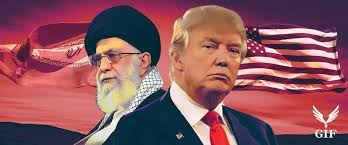
Week four of the war was confusing, bloody, and honestly kind of hard to follow — which might be the best way to describe this whole conflict so far.
It started with what looked like a possible off-ramp. On March 21, President Trump posted on Truth Social that the US was thinking about “winding down” military operations. He listed off what he called wins: Iran’s missiles degraded, its navy, air force, and nuclear program taken out. For a second, markets calmed down. But it didn’t last. An Iranian official basically called it a bluff — saying Trump was just doing “psychological operations to control the markets” — and meanwhile, behind the scenes, thousands more American troops were actually being sent to the region. So much for winding down.
On the ground, things got worse before they got better (and they haven’t really gotten better). On March 22, Iran struck the Israeli towns of Arad and Dimona, injuring over 100 people. The Dimona hit was a big deal — it’s where Israel’s nuclear research center is, and it had never been targeted before in this war. Iran also fired missiles toward Riyadh, Saudi Arabia, though air defenses knocked most of them down. Trump responded by threatening to “obliterate” Iranian power plants if Iran didn’t reopen the Strait of Hormuz by Monday night.
Monday came and went. No deal.
Then, on March 25, things got a little interesting diplomatically. Pakistan’s foreign minister announced that his country had been quietly playing middleman between the US and Iran, even delivering a 15-point American peace plan to Tehran. Iran’s answer was basically “no thanks.” Foreign Minister Araghchi rejected it and said Iran would only end the war on its own terms — with war reparations, a promise the US won’t attack again, and formal recognition that Iran controls the Strait of Hormuz. Not exactly a list the US is likely to agree to.
Thursday, March 26 — Day 27 — was the most intense day in a while. Israel launched major strikes on Iranian infrastructure in Isfahan, killed the commander of the IRGC Navy, and hit weapons sites near Tehran, Mashhad, Shiraz, and Bandar Abbas. US military officials said more than two-thirds of Iran’s missile factories, drone production sites, and shipyards have now been destroyed. Iran fired back with two rounds of missiles at central Israel. And according to one source briefed on Israeli operations, Israel is actually speeding up its strikes over the next 48 hours — trying to hit as many arms factories as possible before a potential ceasefire cuts things short. Basically, Israel is racing to do as much damage as it can before diplomacy might stop it.
Late Thursday, Trump shifted his deadline again — pushing the threat to strike Iranian power plants back by 10 days, to April 6, and saying negotiations were going “very well.”
The human toll is hard to look at. Over 1,750 people have been killed in Iran since the war began. In Lebanon, at least 1,094 people have died from Israeli strikes since March 2, including 121 children. Back in the US, a new Pew poll found that 59% of Americans think going to war with Iran was the wrong call.
The Strait of Hormuz is still effectively closed. Oil is above $110 a barrel. And now everyone’s watching April 6 like a ticking clock — wondering if that deadline will actually mean something, or just get pushed back again.