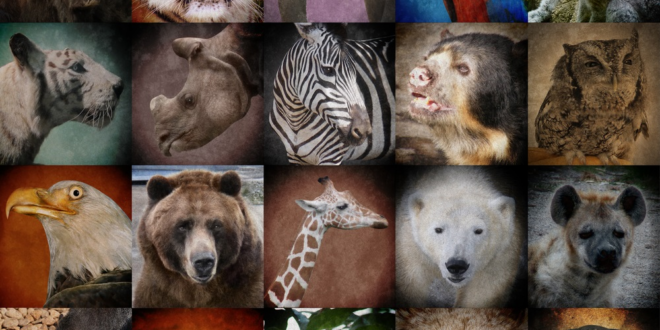
Imagine waking up one day and finding out that three out of four of your neighbors had disappeared. That’s basically what’s happening to wildlife on Earth right now, and most people have no idea.
Since 1970, the world has lost an enormous share of its animal populations. According to the 2024 Living Planet Index, studied wildlife populations have seen an average decline of 73% since 1970. That means in just about 50 years, the planet’s animals have dropped dramatically in number.
So what’s causing this? The short answer: us. The main driver of wildlife loss is how humans use land, mostly for growing food. Human activity has already changed over 70% of all ice-free land on Earth. When forests are cut down to make farms or cities, animals lose their homes and often don’t survive.
But habitat loss isn’t the only problem. Species extinctions are currently happening 10 to 100 times faster than the natural rate, driven by activities like deforestation, habitat destruction, and climate change. To put it simply: animals that would have taken thousands of years to disappear naturally are vanishing within decades because of human activity.
Here’s another scary fact: losing one species can hurt many others. Scientists call this “co-extinction”; when one species disappears, it can trigger a chain reaction that puts other species at risk too. For example, if a tortoise that digs underground burrows goes extinct, the frogs and insects that lived in those burrows may also disappear. Nature works like a web; pull one thread, and the whole thing can start to fall apart.
Why should you care? Because wildlife loss doesn’t just hurt animals, it hurts people, too. Biodiversity gives us clean air, fresh water, healthy soil, and crop pollination. It also helps fight climate change and reduce the damage from natural disasters. Without bees, for instance, many crops we eat every day wouldn’t grow. Without healthy forests, we’d have less clean air and water.
The good news? We’re not powerless. Scientists say that when restoration programs are put in place, it is possible not only to slow down biodiversity loss, but to actually bring species back from the edge of extinction, as seen with the European bison and wolves across Europe.
The wildlife crisis is real, and the data proves it. But data alone won’t save anything; people will. The first step is simply knowing what’s happening. Now you do.