By: Elle Shi Grade 7
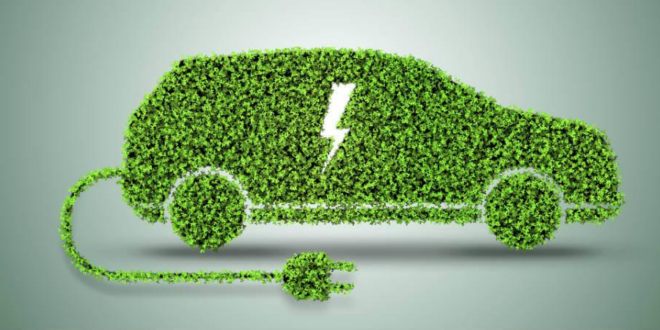
One of the most common beliefs today is that electric cars are completely environmentally friendly. Since they don’t use gasoline and don’t produce exhaust fumes, many people assume they are the perfect solution to climate change. In reality, it’s more complicated.
Electric vehicles or EVs actually do reduce air pollution, especially in cities. Without tailpipe emissions, they help improve air quality and lower greenhouse gas emissions compared to traditional gas-powered cars. This is a major advantage, especially as concerns about global warming continue to grow.
However, electric cars are not entirely “clean.” The process of making their batteries, especially lithium-ion batteries that are used in Tesla cars, requires mining materials like lithium, cobalt, and nickel. These mining activities can harm ecosystems, use large amounts of water, and sometimes involve unsafe or unethical labor practices.
Another factor is electricity; EVs run on electricity, and that electricity has to come from somewhere. Even in areas where power is still generated from fossil fuels like coal or natural gas, charging an electric car can still indirectly produce carbon emissions.
Therefore, electric cars are still generally better for the environment than gas-powered vehicles over their lifetime or in the “long-run.” As renewable energy sources like wind and solar become more common, the environmental impact of EVs will likely decrease even further.
So, what is the answer to this question? Are electric cars as eco-friendly as we think? Not entirely, but they are an important step in the right direction. Instead of seeing them as a perfect solution, it may be more accurate to view them as part of an effort to create a more bright future.
Works Cited: