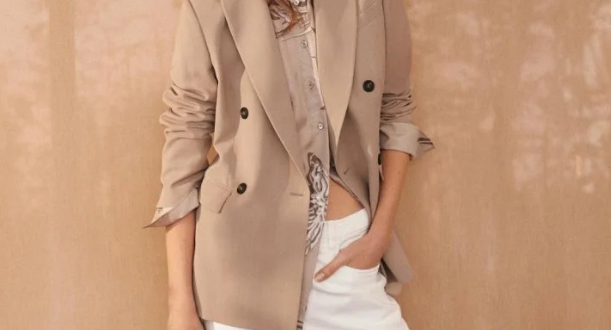
It happened somewhere between a coffee run and a Zoom call. I looked down and realised I was wearing a perfectly oversized charcoal blazer, vintage Levi’s, pristine white trainers, and no logos whatsoever. No flash. No flex. And yet, for the first time in a long time, I felt entirely like myself. That’s the quiet magic of fashion right now: it’s not shouting for attention, it’s asking a better question. Not “Do you see me?” but “Do you get me?”
If the past few years of trend cycles have felt like cultural whiplash — micro-trends burning out in the time it takes to unbox a parcel — the current mood is a deep, cleansing exhale. We are moving away from fashion as pure performance and towards fashion as a form of personal language. Think of it as the difference between reading a headline and reading a poem. The trends of today are rich, nuanced, and surprisingly wearable. Here’s how they’re shaping our wardrobes, our mindsets, and the way we move through the world.
The Reign of “Quiet Luxury”
By now, the phrase “quiet luxury” has been thrown around so much that it has almost lost its meaning. But peel back the buzzword, and you’ll find a genuine shift that’s deepened rather than faded. This isn’t about a cashmere cap and a beige aesthetic devoid of personality. The new interpretation is less about a uniform and more about wearing your wealth of taste, not your wealth of wallet.
The hallmarks are there: sumptuous fabrics, immaculate tailoring, clothes that feel like a secret you’re keeping. A man’s double-faced wool coat thrown over a simple knitted dress. A silk slip skirt that catches the light only when you walk. But the real evolution is how we’re mixing it. The modern way to do “stealth wealth” is to pair a heritage blazer with faded, repaired denim, or to wear perfectly cut trousers with a beaten-up leather jacket you’ve had for a decade. It’s an embrace of tension — rough with refined, old with impeccably new — that reads as deeply personal, never pre-packaged. The logo, meanwhile, has become almost a signifier of trying too hard. The real statement is the drape of the sleeve, the hang of the hem, the whisper of the fibre. In a loud world, silence is the ultimate power move.
Boudoir Dressing Leaves the Bedroom
If quiet luxury is the exterior architecture, boudoir dressing is the interior landscape. Lingerie-inspired details have been flirting with daywear for seasons, but this spring, they’ve stopped flirting and moved in together. Sheer lace panels, satin camisoles worn as tops, slip dresses layered over crisp cotton shirts, and corsetry details peeking out from under oversized tailoring — this is softness weaponised.
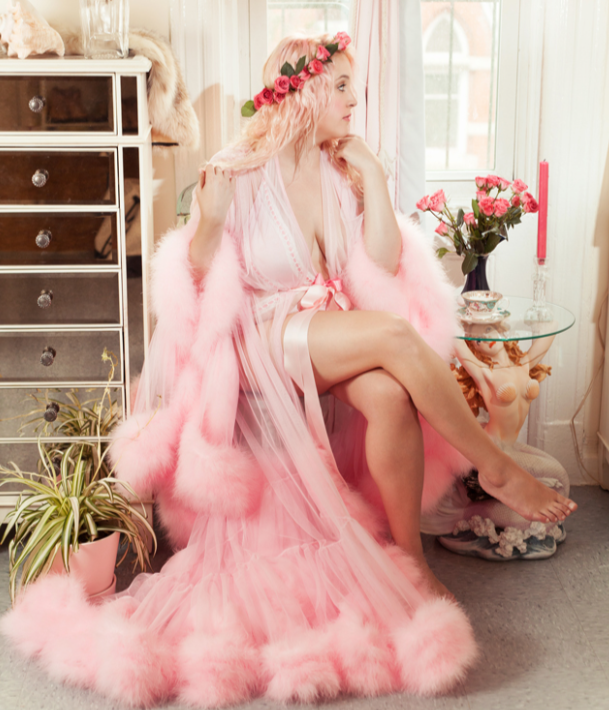
The key to making it natural rather than phony is in the contrasts. A flimsy lace-trimmed skirt suddenly looks sharply modern when grounded with chunky loafers and a thick wool sock. A corset top feels less “boudoir” and more “art gallery opening” when worn over a relaxed, menswear-inspired pair of trousers. There is a liberated femininity here, one that reclaims these traditionally private textures and brings them into the daylight. It’s not about dressing for the male gaze or even the female gaze; it’s about dressing for your own sensory pleasure. The rustle of silk charmeuse as you reach for a book, the gentle stricture of a corset belt reminding you to sit up straight — this is fashion as a private dialogue with the body, worn out in public without an apology.
The New Proportions: Bigger, Broader, Bolder
For a long time, the silhouette conversation was dominated by “oversized everything” to the point of shapelessness. That has crystallised into something far more deliberate. Shoulders are strong, but defined. Volume is sculpted, not slouchy. We’re seeing wide-leg trousers that skim the floor, pooling with intention rather than drowning the wearer. Blazers are cut with the breadth of an ’80s power suit but the fluidity of modern tailoring — often worn belted, cinching the waist to create an hourglass that is architectural, not girlish.
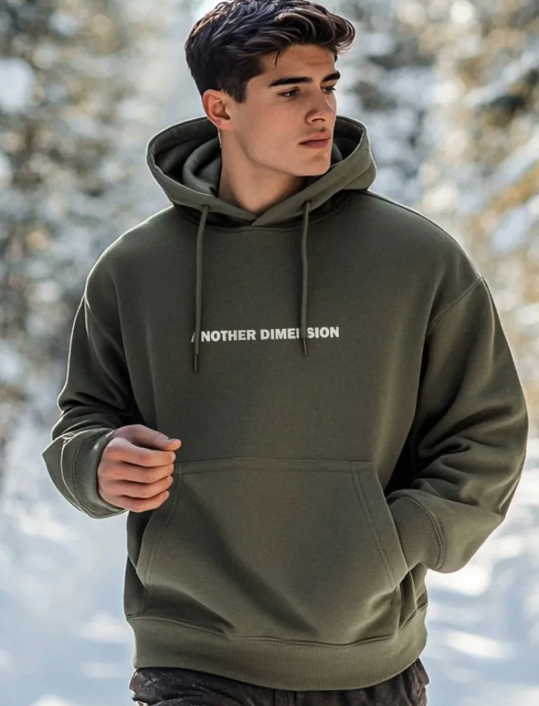
This is true gender-fluid dressing hitting the mainstream. A woman in a sharply constructed double-breasted jacket with nothing underneath but a slash of collarbone; a man in a fluid silk kaftan-shirt and razor-creased trousers. The most interesting outfits are playing with scale: a massive, cocooning coat thrown over a micro-mini, or a voluminous balloon-sleeve top tucked into a slim pencil skirt. The rule of thumb now seems to be: pick one extreme and counterbalance it. If your trousers could double as sails, keep your top lean. If your shoulders have the wingspan of an eagle, let the rest of the silhouette fall straight. This is dressing with a sculptor’s eye, and it makes getting dressed feel like a creative act rather than a chore.
The Unexpected Return of Real Colour
Just when we all settled into our oat milk latte palettes of ecru, oatmeal and stone, colour has come roaring back — but not in the blinding, screen-bright way of the dopamine dressing peak. This is sophisticated saturation. Deep, aquatic teals. Cherry red that’s almost arterial. Sun-baked terracotta. Butter yellow is so pale it’s nearly neutral. The way to wear it is head-to-toe, or at least tonal from chest to shoe, which sounds daring but is actually the easiest cheat code in the book. A burgundy knit with burgundy trousers looks impossibly chic, as if you just knew, without having to think.
Even better, colour is being treated as a texture. We’re seeing blue leather shirts, green suede bags, kiln-fired orange satin skirts. The effect is less crayon box, more artist’s palette. For those of us who spent years building a black/navy/grey wardrobe fortress, the gateway trend is a single, absurdly vibrant accessory — an emerald glove shoe, a tangerine crossbody — against a totally neutral backdrop. It’s the sartorial equivalent of a witty one-liner in a quiet room.
Dressing for a Life, Not a Feed
Perhaps the most seismic change isn’t the clothes themselves but the context we’re buying them for. The pandemic-era loungewear cocoon has been shed, but we haven’t simply snapped back to stiff, performative dressing. Instead, we’re demanding clothes that can move through a hybrid day: a breakfast meeting that turns into a park walk that turns into a dinner with friends. This has given rise to “transformative tailoring” — suits in soft, stretch wools that feel like a tracksuit but photographed like a power meeting. Dresses with hidden pockets deep enough for a phone and a set of keys. Genuinely walkable shoes, because bunion-chic is not a trend anyone asked for.
Sustainability, too, has shifted from a worthy buzzword to an actual purchasing filter. The most stylish people I know are shopping for their own wardrobes first, renting for big events, and hunting vintage with a surgeon’s precision. The fashion conversation is no longer “What did you buy this week?” but “Where did you find that?” and “Who made it?” There’s a pride in the imperfect: a mended seam, a scuffed leather bag, the patina of a well-loved pair of boots. In a mass-produced world, the worn-in has become the ultimate status symbol because it can’t be bought in a click.
As we move deeper into the year, fashion feels less like a dictated set of rules and more like a conversation you’re invited to join. The trends are there as suggestions: take the oversized blazer, if it speaks to you. Add the lace, if you’re feeling tender. Go quiet, go loud, mix high and low, old and new. The only thing truly out of style right now is not wearing your clothes like you mean it. Everything else is just a well-cut blank canvas, waiting for you to arrive.