By Ben Yi, Grade 10
Over spring break, I visited my parents’ warehouse in California and worked there for a week. Compared to my time working for them over Thanksgiving, my overall takeaways are roughly the same except for two new conclusions that I’ve come to:
First, there is a difference between a good worker and a good manager. A good worker listens to instructions and knows, or learns, to execute assigned tasks. It isn’t hard to be one. In some ways, being a good worker means setting aside your own personal thoughts, feelings or preferences, in order to get work done more efficiently, regardless of whether that means working long hours or working at a pace that’s not normally comfortable. In a warehouse setting, however, work can very quickly become monotonous and for me, it’s not just that it’s boring, but that it’s a bit disheartening. My struggle while working there wasn’t that it was hard, but that it was easy. There were no challenges for me to conquer. Every day that week, I’d follow the same routine. I’d wake up groggy, head downstairs for breakfast, and then arrive at the warehouse around 9:30. From there, I’d pick items for shipment orders. Short lists might take an hour while long ones could take over four. After that, I’d start doing inventory counts, which I’d return to after lunch at around 3. It was repetitive work, despite its importance, with no clear end in sight. By contrast, a good manager holds employees accountable for their mistakes while also recognizing their own limitations. They fix the problems made by others. They understand that what motivates one person may not work for the next. Managing people, with all their emotions and own personal thoughts and experiences, is far harder than boxing up products to ship to a client.
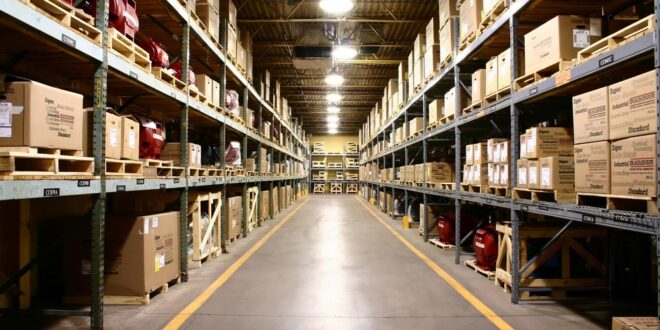
Second, organization is important and matters more than what it seems. When I started working, there was no structure to finding items. On each box, there were about 10 order numbers. On each pallet, there were about 15 boxes. In total, there were around 55 pallets, split into 3 different sections. The strategy that I created was to keep my eyes peeled, hoping I’d find the product. It was slow, inefficient and unproductive. Inventory counts were no better because different companies’ products would all be on the same pallet. If the warehouse were reorganized, putting things in their proper place in an actual, efficient way, productivity would be so much higher and picking items and doing inventory counts wouldn’t take at least three to four hours, but instead maybe 20 minutes at a maximum.