By: Ben Yi, Grade 10
Nowadays, the amount of subscription-based products and buy now, pay later (BNPL) culture has completely affected how we spend money. Whether it’s entertainment like Netflix, dog food from Chewy, music with Spotify, or full self-driving in Teslas, they have all substantially influenced our lives in very beneficial, but also harmful ways.
For many companies with subscription-based products or services, they rely on the consumer forgetting about their subscription or having huge profit margins. Netflix is a famous example of offering a free trial and then eventually hoping that the customer will forget about it.
For companies like Chewy, Spotify, and Tesla, their subscription services are even harder to leave once you become a part of it. For Chewy, they deliver dog food to your doorstep. Unlike Netflix, Chewy becomes a natural part of your routine, restocking your dog food every month. Similarly, Spotify and other music platforms are used extremely frequently by users and thus, embed themselves into daily routines, making it hard to cancel them. The same can be said about Tesla’s full self-driving. The convenience of not having to drive yourself and to just watch the road is very enticing. Like the other two, it becomes a natural part of your life.
With streaming services like Netflix or Hulu becoming more popular than ever, it leads me to think about what will be next. Microsoft, for example, has Xbox Game Pass, which allows you to pay a subscription fee every month to get a huge list of games to play, but it brings up the issue of ownership vs access. Using the Xbox Game Pass, you have unlimited access to games, but almost no ownership. If you miss a payment, you lose access to those games, unlike before where you would typically have a physical copy.
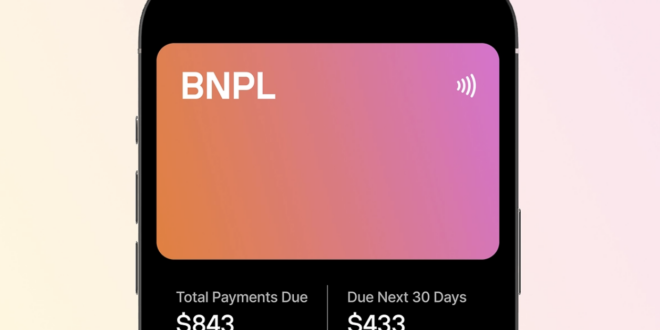
With BNPL systems, they split payments, making it seem like you’re not paying as much money as you actually are. They lower the price of paying and make the short-term cost substantially less. Even though everything about BNPL sounds good, allowing you to afford things you probably couldn’t at the time, people typically overspend and most of the time, end up with late fees, completely affecting long-term spending.